
Free Clinical Pre-Screen

Teen School Refusal Support in Chandler, AZ

Specialized support for teens who are struggling to attend school due to anxiety, overwhelm, or emotional distress.

  • Ages 11 to 17
  • IOP and PHP options available
  • Neurodivergent-affirming care
  • Chandler, Arizona
Teen School Refusal Support in Chandler, AZ

When Getting to School Feels Impossible

School refusal is not defiance or laziness. It is most often a sign that a teen is dealing with anxiety, depression, sensory overwhelm, or another underlying challenge that makes the school environment feel unmanageable.

When avoidance becomes a pattern, the longer it continues, the harder it becomes to reverse. Mosaic Minds offers structured support that addresses the reasons for the refusal, not just attendance, and helps teens get back on track.

Mosaic Minds Program Options

Our programs are designed to help families find the level of support that fits their teen.

IOP

  • More support throughout the week for teens who need it
  • A fit when school refusal is significantly affecting daily functioning
  • Provides structure and consistency for teens who need more intensive support

PHP

  • Structured support that fits around a gradual return to school
  • Helps teens build skills and confidence to manage the school environment
  • A fit for teens beginning to re-engage with daily routines
Teen Therapy for School Refusal in Phoenix

Signs A Teen May Need More Support

School refusal often develops gradually before becoming a full pattern.

Signs may include:

  • Frequent complaints of headaches or stomach aches on school mornings
  • Emotional meltdowns or shutdowns before or during school preparation
  • Arriving late consistently or leaving school early
  • Spending excessive time in the nurse’s office
  • Refusing to attend specific classes or situations
  • Texting or calling parents throughout the school day in distress
  • Complete refusal to leave the house on school days
  • Challenges that continue despite conversations with school staff

A Neurodivergent-Affirming Approach to School Refusal

School refusal is especially common in neurodivergent teens. Sensory overload, social demands, difficulty with transitions, and the cumulative exhaustion of masking can all make the school environment feel genuinely overwhelming, not something that can be avoided by willpower alone.

At Mosaic Minds, we treat school refusal as a symptom, not a behavior problem. Our approach considers the full picture – anxiety, depression, neurodivergent traits, and how they intersect – so support is built around what your teen actually needs to move forward.

What Our Clients Say
×

Our Process

Initial Inquiry

An initial call to admissions to share concerns, age, scheduling needs, and insurance information, followed by a safety screening.

Consultation

A free 15 to 30-minute call to review concerns, school needs (IEP/504), and determine IOP, PHP, or outpatient.

Assessment

An assessment helps clarify needs and determine next steps.

Program Selection

We recommend an appropriate program and outline what support can look like moving forward.

Common Questions

Support that includes the people who know your teen best.

What should I do if my teen refuses to go to school

No. School refusal is driven by emotional distress – anxiety, depression, or overwhelm – and typically happens with a parent’s knowledge. Truancy is skipping school without parental awareness. School refusal is a mental health concern, not a discipline issue.

The most common causes are anxiety, depression, social difficulties, sensory overwhelm, and bullying. In neurodivergent teens, school refusal is often connected to the cumulative stress of masking or navigating an environment that does not account for their needs.

Avoid forcing immediate full attendance, which can increase anxiety. Focus on understanding what is driving the refusal and connect with a mental health professional to assess the underlying cause. Early intervention leads to better outcomes.

Yes. Programs like IOP and PHP provide consistent structure, skill-building, and therapeutic support that address the anxiety or other conditions driving the refusal – helping teens gradually rebuild the capacity to re-engage with school and daily life.

Contact us

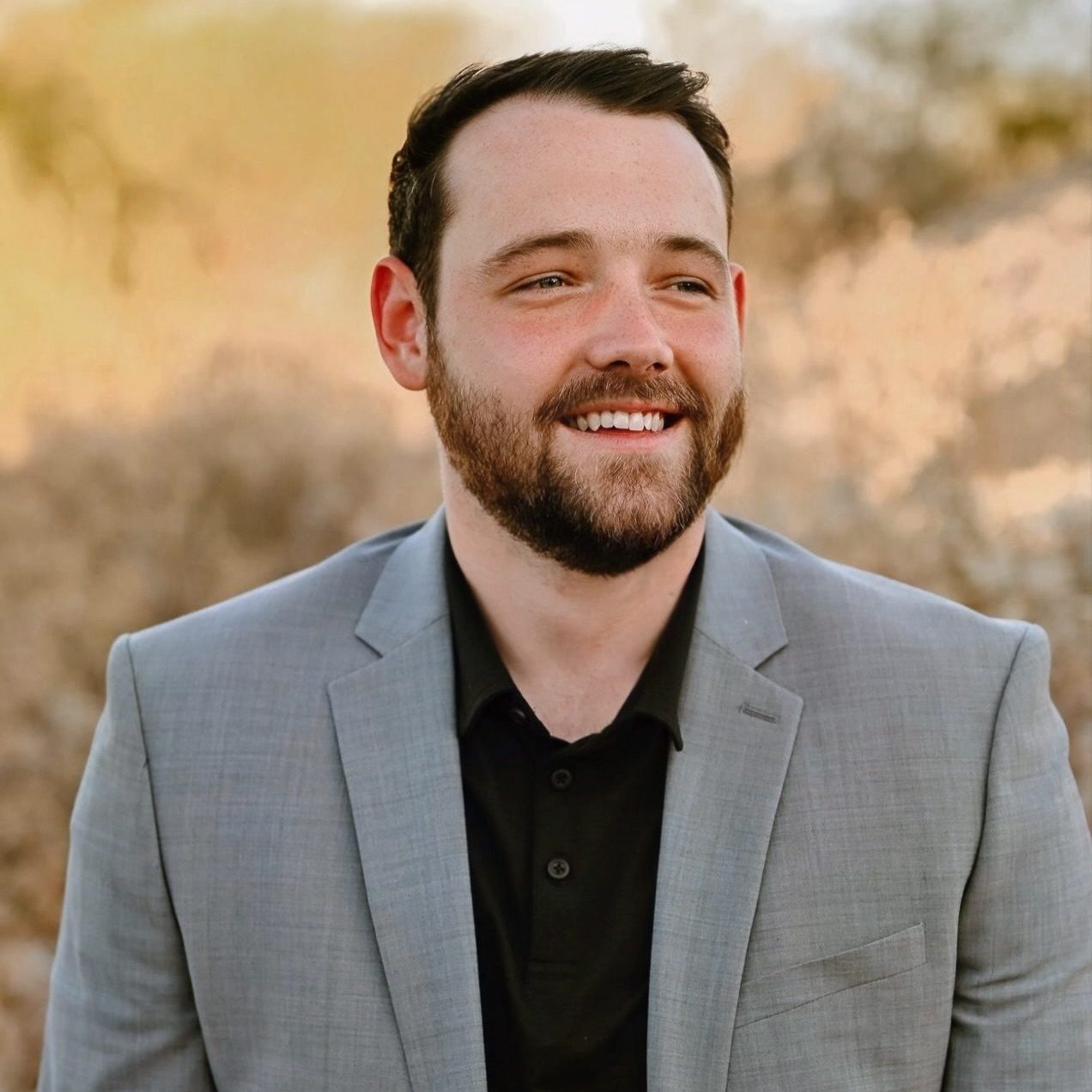
Taylor Johnson

Program Manager

Lena holds a Bachelor’s degree in Psychology and a Master’s degree in education, with a background in child development, community relations, training, mediation and coaching. She is passionate about nuerodiversity inclusion and the transformative power of understanding psychology and brain development. Based in Arizona, she enjoys life with her two daughters and four rescue dogs and finds joy in storytelling through theater, music and poetry.

Taylor Johnson

Program Manager

Serving as our Program Manager, dedicated to supporting adolescents through growth, self-discovery, and therapeutic development. With a deep passion for working with young people, Taylor focuses on helping adolescents identify who they are, understand their strengths and develop a strong sense of self during some of the most formative years of their lives.